
Understanding Secondary Sanctions: Implications and Strategies
In the complex world of international relations and finance, Secondary Sanctions have emerged as a pivotal tool used by countries to exert economic pressure. Understanding secondary sanctions is essential for businesses operating on a global scale, as these measures can impact not only direct participants but also third parties engaged in commerce with sanctioned entities.
What Are Secondary Sanctions?
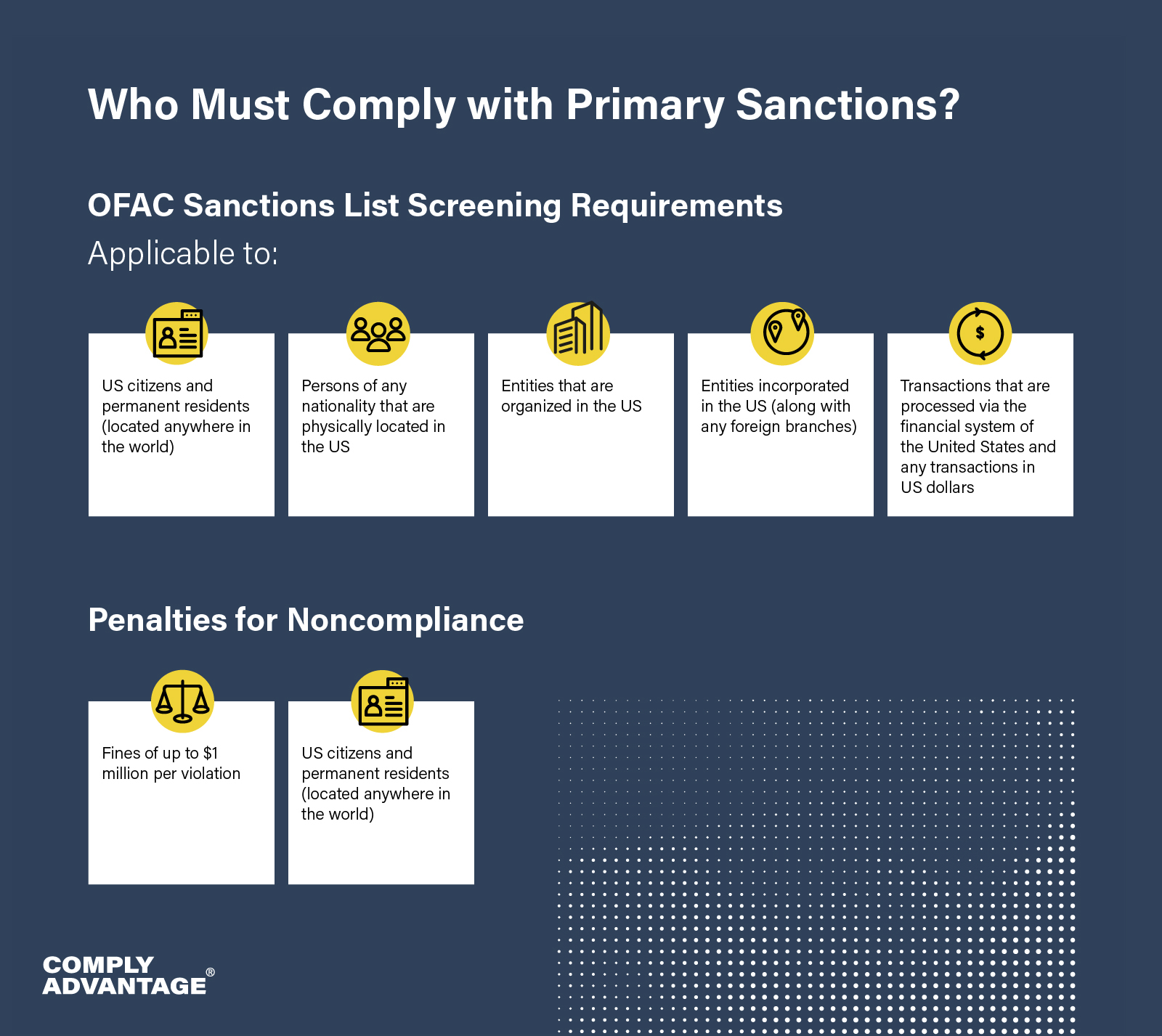
Secondary sanctions refer to punitive measures imposed by a country on foreign entities that engage in business with sanctioned individuals or countries. Unlike primary sanctions, which directly target the sanctioned state or companies within it, secondary sanctions extend the reach of the imposing nation. This means that businesses in countries not party to the original sanctions can also face repercussions if they do business with the targets of those sanctions.
The Origins and Purpose of Secondary Sanctions
The use of secondary sanctions has grown significantly in the last couple of decades. Initially, these measures were introduced primarily by the United States as part of its foreign policy, aimed at deterring hostile actions by certain governments. The rationale behind secondary sanctions is to isolate the targeted country further and compel compliance with international norms and agreements.
For instance, the United States has enacted secondary sanctions against countries such as Iran and North Korea to discourage foreign investment in their economies and limit the flow of funds supporting such regimes. By threatening to penalize third-party entities doing business with those countries, the U.S. aims to curtail their economic activities and bring about policy changes.
Key Examples of Secondary Sanctions in Action
A notable example of secondary sanctions in action is the U.S. sanctions against Iran, particularly following the U.S. withdrawal from the Joint Comprehensive Plan of Action (JCPOA) in 2018. Under these sanctions, companies around the world could face restrictions if they continued to engage in trade with Iranian entities. This led many businesses to reevaluate their relationships and, in many cases, discontinue operations involving Iranian partners.
Similarly, the U.S. has implemented secondary sanctions targeting individuals and entities in Russia due to its actions in Ukraine and election interference. These sanctions have repercussions for foreign companies that might consider investing in or trading with designated Russian entities, thereby enhancing the U.S.’s leverage in international negotiations.
The Implications of Secondary Sanctions on Global Business
The implications of secondary sanctions are profound and multifaceted. For businesses, the primary challenge lies in maintaining compliance while continuing to operate in a global marketplace. Failure to adhere to these sanctions can lead to significant financial penalties and reputational damage.
Moreover, secondary sanctions often lead to increased transparency requirements within international trade. Companies must conduct thorough due diligence to ensure that their supply chains do not inadvertently involve sanctioned parties. This can lead to elevated operational costs and necessitate the employment of sophisticated compliance mechanisms.
Strategies for Navigating Secondary Sanctions
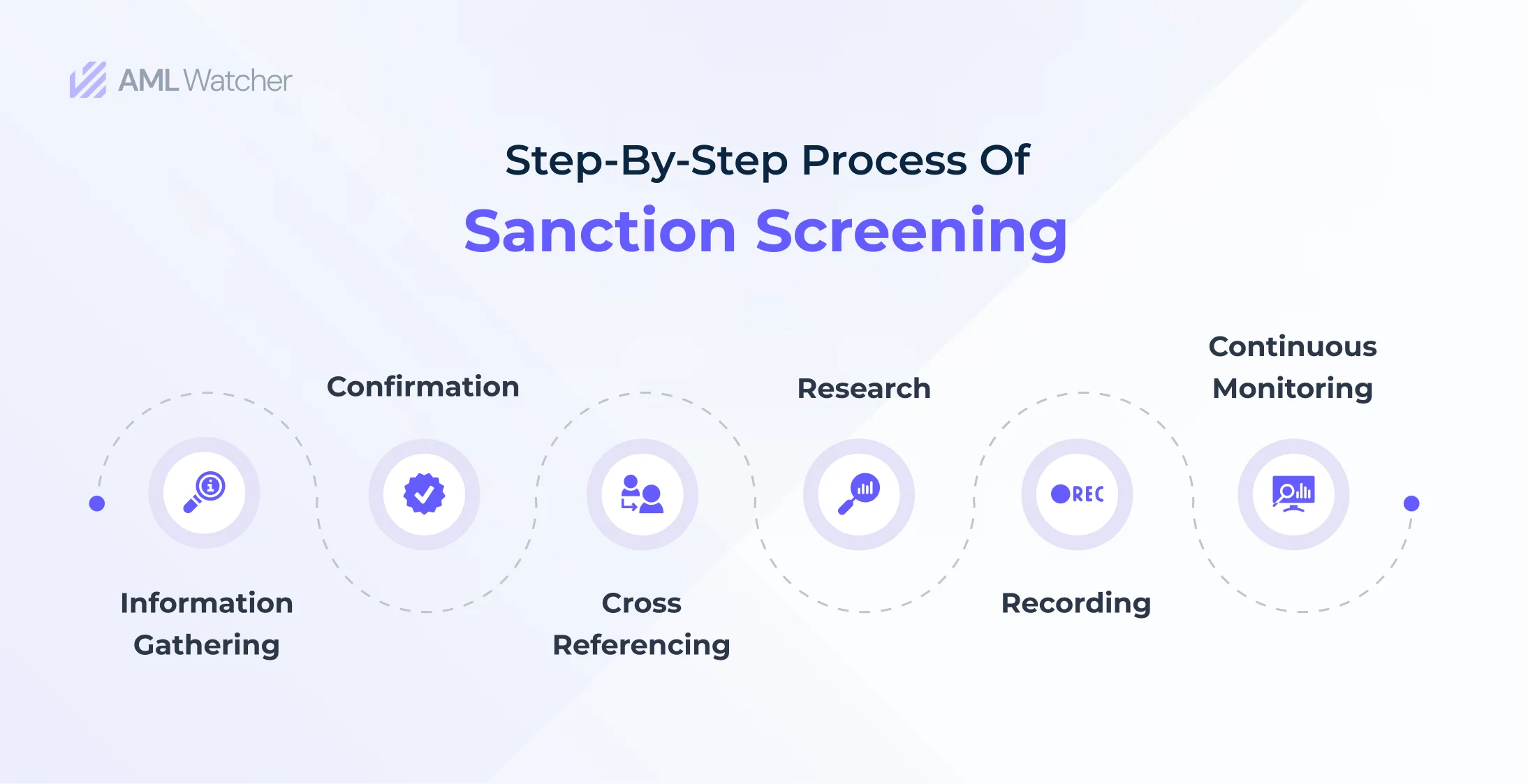
To minimize the impact of secondary sanctions, businesses should adopt proactive compliance strategies. Here are some key steps to consider:
- Conduct Comprehensive Risk Assessments: Analyze your business operations and identify potential exposure to secondary sanctions. Assess which markets or partners could pose risks and develop a plan to mitigate them.
- Implement Robust Compliance Programs: Establish a compliance framework that includes regular training for employees, as well as clear policies regarding dealings with sanctioned entities.
- Utilize Technology: Employ technology solutions that can help track changes in sanctions lists and provide real-time monitoring of transactions to ensure compliance.
- Consult Expert Advisors: Engaging with legal experts specialized in sanctions law can provide valuable insights and help navigate complex compliance landscapes.
The Future of Secondary Sanctions
As geopolitical dynamics continue to evolve, the reliance on secondary sanctions is likely to persist. Governments may increasingly turn to these measures as a method of exerting influence without resorting to military action. Therefore, businesses operating internationally must stay informed about changes in sanctions regulations and adapt their strategies accordingly.
Furthermore, the global response to secondary sanctions may encourage more multilateral approaches to sanctions enforcement. As countries increasingly recognize the intricacies of the global supply chain, there may be a shift towards collaborative efforts in managing sanctions compliance to mitigate unintended consequences on legitimate trade.

Conclusion
In conclusion, secondary sanctions represent a powerful instrument in the arsenal of international diplomacy and economic policy. However, they also present significant challenges for global businesses navigating the complex regulatory landscape. By understanding the implications of secondary sanctions and implementing effective compliance strategies, companies can protect themselves from potential risks while continuing to engage in international trade.