
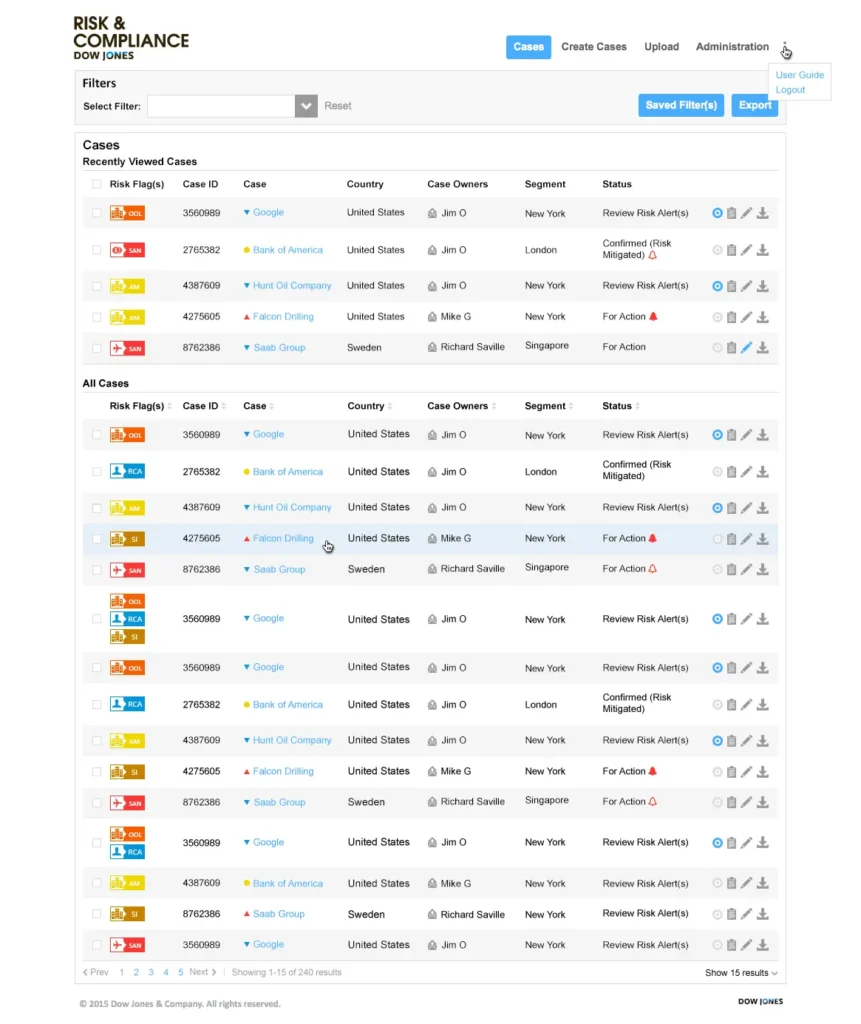
In today’s complex global marketplace, businesses face increasing scrutiny regarding their operations, especially when it comes to compliance with international sanctions. The Sanctions Compliance & Risk Advisory sector has emerged as a critical area of concern for organizations that want to avoid legal pitfalls and mitigate risks associated with international trade. This article delves into the core principles of sanctions compliance, the risks involved in non-compliance, and effective strategies for implementation.
What is Sanctions Compliance?
Sanctions compliance refers to the adherence to laws and regulations imposed by governing bodies, which restrict or prohibit certain activities with specific countries, entities, or individuals. These sanctions can be economic, trade, or travel restrictions enacted due to geopolitical issues, human rights violations, or national security concerns. Compliance ensures that businesses do not engage in activities that could result in significant penalties, loss of reputation, or other legal repercussions.
Types of Sanctions
Sanctions can be broadly classified into several categories:
- Economic Sanctions: These typically include trade restrictions, asset freezes, and prohibitions on financial transactions.
- Export Controls: Regulations that restrict the transfer of goods, services, or technology to certain countries or entities.
- Travel Bans: Restrictions on individuals’ physical movement, particularly those identified as threats to national security.
- Sectoral Sanctions: Target specific sectors of a country’s economy, such as banking or energy, imposing limitations on transactions.
The Importance of Sanctions Compliance
Non-compliance with sanctions can lead to severe consequences for businesses, including:
- Substantial financial penalties and fines imposed by regulatory authorities.
- Criminal charges against executives and board members.
- Increased scrutiny from regulators and law enforcement agencies.
- Damage to corporate reputation and loss of customer trust.
Therefore, it is crucial for organizations to understand the implications of sanctions and establish effective compliance programs to navigate these challenges.
Risk Assessment in Sanctions Compliance
Conducting a thorough risk assessment is essential for identifying exposure to sanctions-related risks. This assessment typically involves:
- Identifying Business Activities: Analyze all business operations, including partnerships, supply chains, and client relationships.
- Evaluating Jurisdictions: Assess the risks associated with doing business in high-risk countries or regions subject to sanctions.
- Reviewing Transactions: Scrutinize past and current transactions for compliance with applicable sanctions laws.
- Monitoring Changes: Stay abreast of regulatory changes and updates to sanctions lists.
Implementing a Sanctions Compliance Program
A strong sanctions compliance program is key to mitigating risks and maintaining adherence to legal obligations. Here are several essential components to implement:
1. Establish Clear Policies
Organizations should develop comprehensive policies outlining their commitment to sanctions compliance. These policies should be accessible to all employees and integrated into the company’s ethos.
2. Employee Training
Regular training sessions must be conducted to raise awareness among employees about sanctions laws and internal policies. This training helps ensure that employees can identify potential risks and understand reporting mechanisms.
3. Due Diligence Procedures
Implementing robust due diligence processes is critical. This includes screening customers, suppliers, and other third parties against sanctions lists to ensure compliance before entering into any agreements or transactions.
4. Continuous Monitoring
Organizations must continuously monitor transactions and operations for compliance. This requires establishing automated systems for ongoing monitoring of sanctions lists, as well as conducting regular audits of business practices.
5. Reporting Mechanisms
It is essential to create a clear framework for reporting risks and potential compliance issues. Employees should feel empowered to report suspicious activities without fear of reprisal.
Challenges in Sanctions Compliance
Despite best efforts, organizations can face various challenges in sanctions compliance, including:
- Rapidly Changing Regulations: Sanctions laws can change frequently, requiring firms to be agile and adaptable in their compliance efforts.
- Complexities of Global Trade: Multinational organizations must navigate various jurisdictions and legal frameworks, which can be burdensome and confusing.
- Resource Constraints: Smaller companies may lack the necessary resources or expertise to effectively manage compliance programs.
The Role of Technology in Sanctions Compliance
Advancements in technology have revolutionized the way companies approach sanctions compliance. Technological tools can enhance efficiency and accuracy in compliance processes, including:
- Automated Screening: Software solutions can automate the process of screening transactions against sanctions lists, reducing human error.
- Data Analytics: Analytics tools can help identify patterns in transactions that may indicate potential compliance risks.
- Reporting Tools: Advanced reporting software can consolidate compliance data, making it easier to generate reports for regulators or internal audits.
Conclusion
Sanctions compliance is an essential aspect of today’s global business environment. By understanding the complexities of sanctions, implementing robust compliance programs, and embracing technology, organizations can significantly mitigate risks and avoid the costly repercussions of non-compliance. As the landscape of international trade continues to evolve, staying vigilant and proactive in sanctions compliance will be crucial for long-term business success.